The Minimal, Secure Chrome Setup for Deep Work: A Step-by-Step Extension Stack
In today’s browser-driven workflows, deep work hinges on focused, noise-free contexts. A minimal extension stack can drastically reduce distraction, guard credentials, and keep research organized without compromising privacy. This guide walks through a practical, real-world setup you can adopt in a single afternoon, plus a vetting checklist to keep permissions lean and updates under control. You’ll learn how to build a predictable workspace, test it safely in your workflow, and continuously refine it as projects evolve.
The Core Idea: Why a Minimal Stack Matters
Modern browsers are powerful but noisy. Ads, trackers, and tab churn erode concentration and slow decision cycles. A lean extension stack can transform browsing into a disciplined tool for deep work: blockers prevent interruptions, password managers secure access, and organization tools keep research and code aligned.
The aim isn’t maximal features; it’s predictable habit and minimal data exposure. A secure baseline also reduces the risk of supply-chain or extension-compromise problems, because fewer moving parts means easier maintenance and quicker triage when things go wrong.
The Stack: Core Extensions and How to Use Them
The Minimal Viable Setup
- uBlock Origin with dynamic filtering: A light, fast blocker that handles ads and trackers. Use dynamic filtering to tailor what scripts or resources load on a per-site basis. This keeps pages lean and speeds up focus sessions.
- DuckDuckGo Privacy Essentials (or Privacy Badger): Layers privacy protections without breaking essential workflows. It blocks trackers, forces encrypted connections where possible, and smooths the path to private search—essential for evaluating competitors or sources securely.
- Bitwarden: Centralizes credentials, auto-fills securely, and prompts for MFA on sensitive actions. Keep a strong master password and rotate credentials only when necessary.
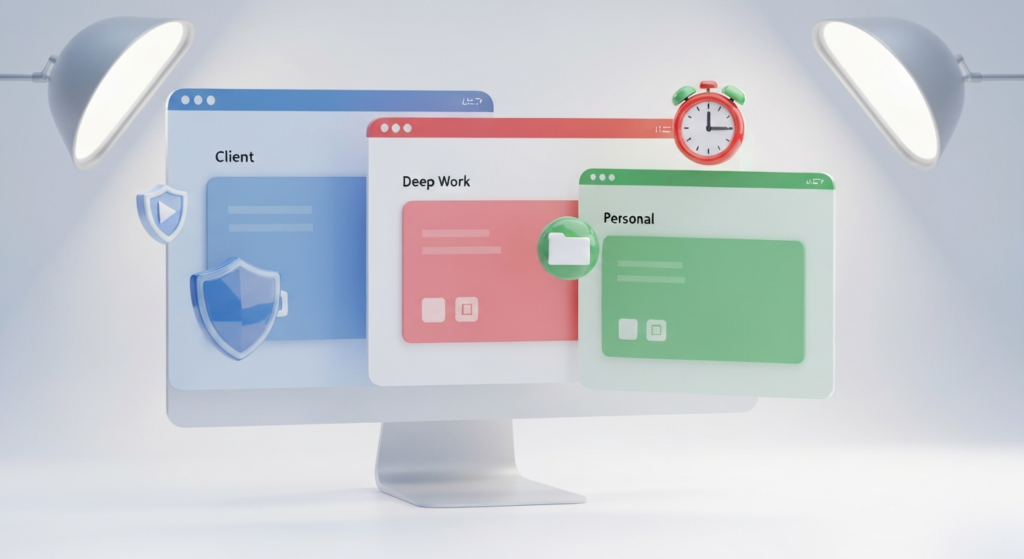
- Workona (or equivalent tab manager): Creates project spaces, syncs across devices, and groups related tabs. This is your virtual desk—when a sprint ends, you can restore a clean workspace without dragging dozens of tabs around.
- Zotero Connector: Saves citations and web metadata to a reference library, streamlining bibliographies and notes for reports or papers.
- Notion Web Clipper: Captures pages or snippets into your project notes, research summaries, or dashboards for later synthesis.
Optional Add-ons for Specific Needs
- HTTPS Everywhere: Use this if you require explicit hardening beyond standard privacy tools.
- Lightweight Editor: A focused Notion block or similar tool for quick drafting to avoid switching contexts too often.
Practical Usage Patterns
- Before deep work: Open a dedicated Workona workspace, block distractions with uBlock’s dynamic rules, and sign in to Bitwarden for quick access.
- While researching: Clip relevant pages with Zotero Connector and drop quick notes into Notion or your project page.
- During sprints: Keep a clean tab set; archive finished research in Workona to reduce context switching.
- After a session: Review permissions, ensure no unnecessary extensions are active, and save a snapshot of the workspace for reuse.
Real-World Workflow Examples
Marketing Research Workflow
Start with a focused search using privacy-respecting settings. Use uBlock Origin to block trackers that inflate page load, then clip promising sources to Zotero and Notion. Keep client dashboards in a dedicated Workona space, with critical tool pages pinned in a single tab group. Store credentials in Bitwarden and enable MFA for client portals. When you complete a sprint, you can restore the exact tab layout for a quick follow-up or presentation.
Developer Productivity Workflow
Open a dedicated Workona workspace for feature work; keep code review and issue trackers in one tab group. Use Zotero or a note system for design docs or API references you must cite. Clip relevant specs and decisions into Notion. Rely on uBlock Origin to prevent noisy third-party scripts on demo pages or sandbox environments, preserving run-time performance and focus.
Research Workflow
While literature scanning, keep a tight set of sources in Zotero and use Notion for an annotated bibliography. The browser stays lean because trackers and ads are blocked by default. Use Bitwarden to manage access credentials for libraries or publisher portals. Logins stay secure yet frictionless for productive sessions. When taking notes, move snippets into a central project page; tag and link sources for quick retrieval later.
Browser Organization Workflow
Create a separate Workona workspace for each project. Name spaces clearly and prune unused tabs weekly. Maintain a minimal extension set; if you add a new tool, remove something redundant to preserve focus. Regularly back up your workspace configuration and review permissions for all extensions to avoid drift.
Best Practices, Risks, and Quality Control
Permissions to Check
Each extension should request only the minimum: “read and change data on sites you visit” vs broader permissions. If an extension asks for access to all websites and you don’t need it for core tasks, question it. Prefer extensions with explicit privacy policies and transparent data practices. Avoid those that collect more data than they need for functionality.
Updates and Maintenance
Enable automatic updates but monitor extension version changes after major updates. Schedule a quarterly review of your stack to retire obsolete tools. Prefer open-source components where possible, or extensions from reputable publishers with recent activity and robust reviews.
Privacy Considerations
Limit telemetry by opting out of usage data sharing where possible. Review the risk of cross-site data sharing and ensure it aligns with your company’s data policy. Regularly audit the stack for new trackers or breaking changes in sites you depend on; roll back if a critical extension starts interfering with your workflow.
Avoiding Low-Quality Extensions
Start with a minimal set. If something seems flaky, disable it and test the workflow without it before removing it permanently. Check reviews for security incidents and update histories. Use a test profile for trial runs—don’t install experimental tools in your primary browser profile until you’ve validated them.
Conclusion
A disciplined, minimal Chrome setup can dramatically improve focus, speed, and security for professionals who depend on the browser daily. By combining blockers, privacy guards, a robust password manager, and careful workspace organization, you create a repeatable, secure workflow that scales with your projects. The right tools won’t just save minutes; they redefine what you can accomplish in a workday. EpicWebTool continually explores and reviews browser tools for professionals, helping you build a setup that stays lean, private, and productive.