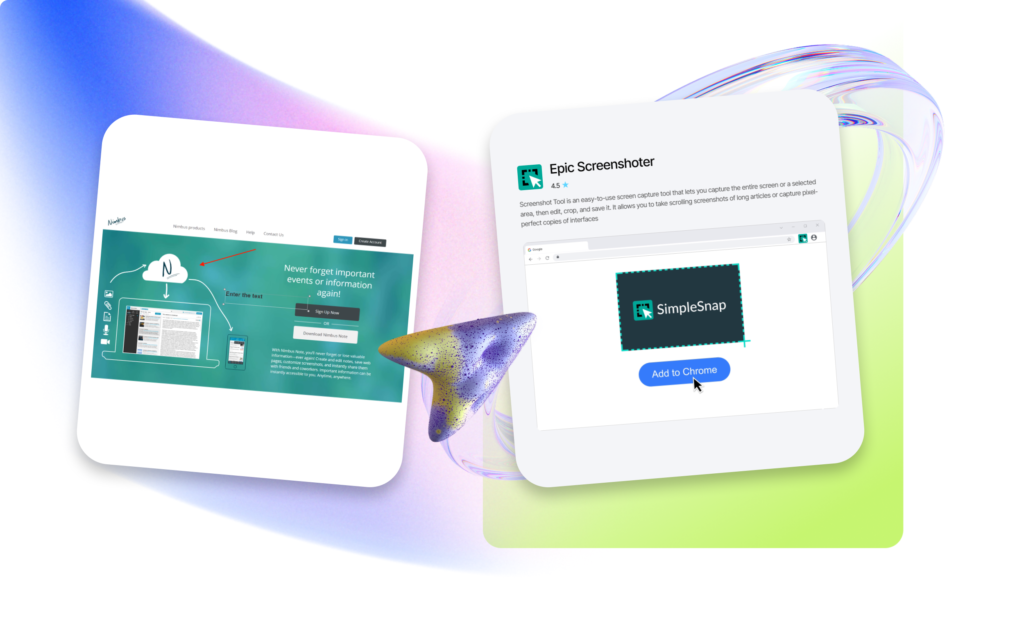
Chrome extensions can turn a standard browser into a serious work environment. For marketers, developers, founders, and remote teams, the browser is often where the day happens: research, communication, automation, and analysis. However, every extension adds potential risk, clutter, and performance overhead. This guide explores how to choose extensions with intention, test them safely, and build a workflow that improves speed without weakening security.
How to Choose Extensions Like a Professional
Modern browser work is often fragmented. Extensions reduce friction by adding shortcuts and organizing information directly where the work happens. The first filter for any new tool is purpose. Ask: what exact task does this extension remove, accelerate, or improve? If the answer is vague, skip it. The best tools solve one clear problem well.
The Selection Checklist
Before installing a new utility, professional users should inspect the following criteria to ensure browser health:
- Permissions: Does the extension need access to all sites or just specific ones?
- Publisher Credibility: Look for documented support and a clear update history.
- Review Quality: Focus on recent text reviews rather than just star ratings.
- Data Handling: Understand where your cookies, bookmarks, and login data are sent.
| Extension Type | Usage Frequency | Selection Priority |
|---|---|---|
| Daily Drivers | Constant | High trust & verified publisher |
| Occasional Tools | Weekly | Specific task-based permissions |
| Disposable Utilities | Single Use | Removed immediately after task |
Building a Research and Capture Workflow
Consider a research-heavy workflow for an analyst. The goal is to gather intelligence without creating tab chaos. By using a small, dedicated set of tools, you can maintain a lean environment. A practical process involves these steps:
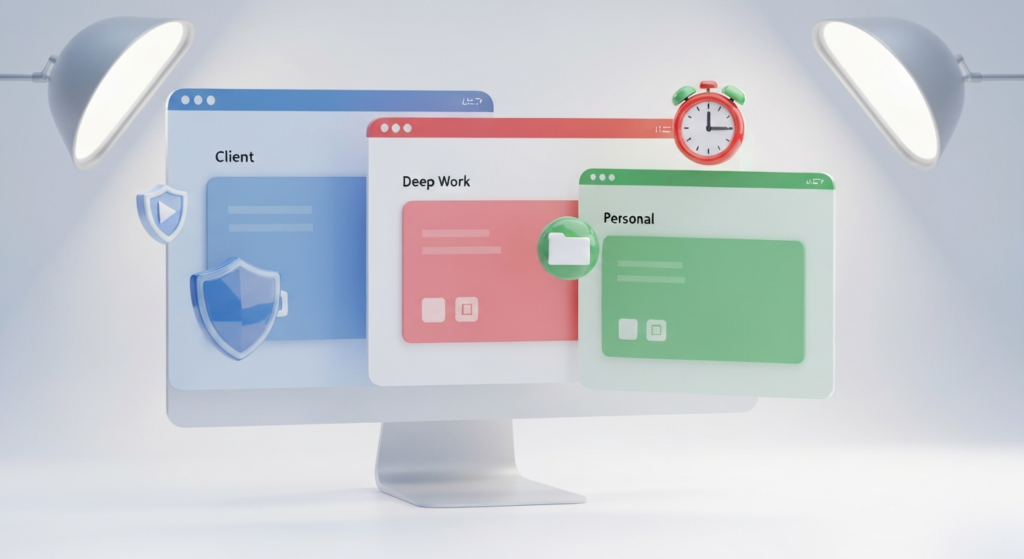
- Open a dedicated Chrome profile for specific projects.
- Use a tab manager to group research by topic.
- Save high-value pages to a structured knowledge base.
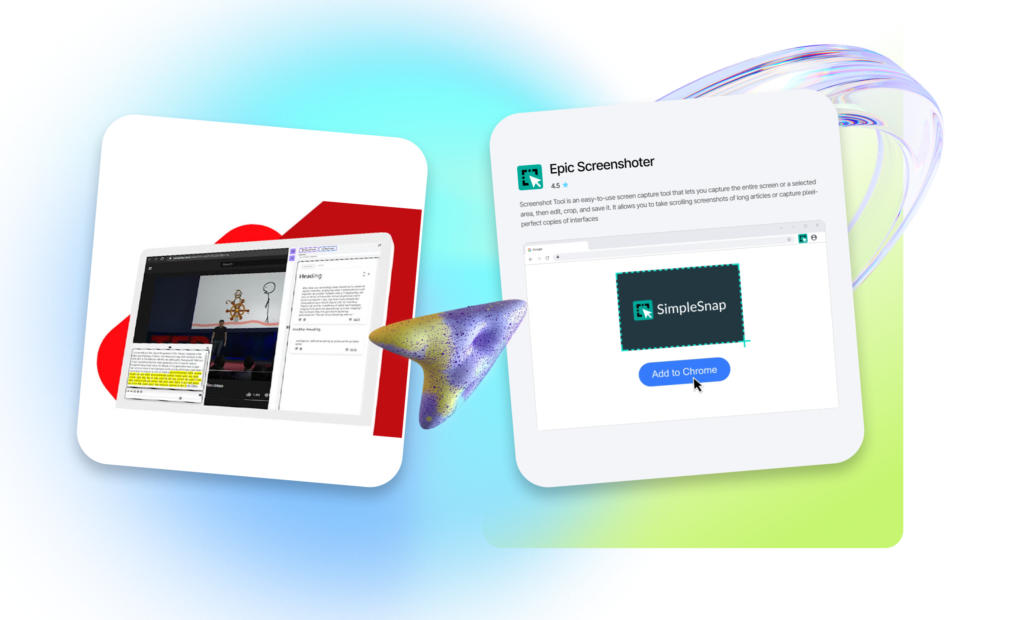
- Capture only essential page fragments to save space.
- Clear the session daily to keep the profile clean.
Security, Maintenance, and Best Practices
The biggest mistake is over-installation. More extensions mean more background activity and more chances for software conflicts. Security hygiene should be routine rather than a one-time setup. If an extension saves a few seconds but adds significant complexity, it is likely not worth the overhead.
Essential Security Habits
To keep your digital workspace secure, follow these maintenance steps regularly:
- Review all installed extensions at least once a month.
- Check for permission changes after an extension updates.
- Separate personal and work browsing into distinct profiles.
- Avoid extensions that request login credentials in non-standard ways.
- Prefer tools with transparent update histories.
A secure Chrome workflow is built by choosing a small set of tools that solve real problems. When you treat browser tools with the same discipline you apply to your software stack, productivity improves without turning security into an afterthought. EpicWebTool regularly explores these workflows for professionals who depend on the browser every day.
Frequently Asked Questions
How do I know if a Chrome extension is safe?
Check the ‘Privacy practices’ tab in the Chrome Web Store. Look for established developers, frequent updates, and minimal permission requests that match the tool’s function.
Do extensions slow down my computer?
Yes, every active extension consumes memory (RAM). Using too many ‘always-on’ extensions can cause browser lag and drain laptop battery life.
Should I use different Chrome profiles?
Yes. Using separate profiles for work and personal browsing keeps your data isolated and allows you to have different sets of extensions for different tasks.
Can extensions steal my passwords?
If an extension has permission to ‘read and change all your data on the websites you visit,’ it could technically capture keystrokes. Only grant broad permissions to highly trusted tools.