This week’s browser-tools story wasn’t about shiny features—it was about supply-chain risk, extension reliability, and how professionals should respond. Chrome 147 landed with meaningful security fixes, while the ecosystem kept surfacing the same uncomfortable pattern: high-usage extensions can be compromised through ownership changes or malicious updates. In this digest, I’ll point you to the decisions that actually matter—what to install, what to update, and what to audit.
The Shift Toward Trust-First Browser Workflows
New Tool Focus: Workflow-First AI Assistants
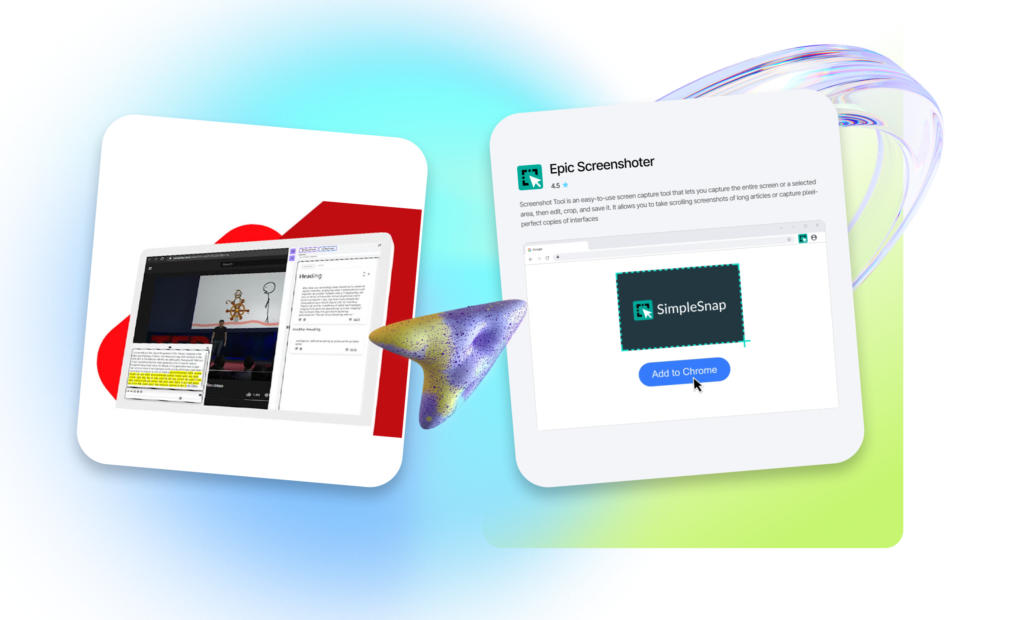
AI helpers for reading and summarizing continue to split into two camps: “chat popups” and workflow-first capture. This week, I’m highlighting a new wave of browser extensions that behave less like a chatbot and more like a research instrument. They pull selected text, rewrite it for your target audience—such as product marketing, PRD notes, or engineering briefs—and then send results directly into your workspace.
Marketers, designers, and researchers who live in reading/review loops should pay attention. The best tools reduce “context swapping” by turning page content directly into structured artifacts like headlines, bullet briefs, and decision summaries. Extensions that integrate with an existing workflow tend to be the ones that survive real usage.
Critical Updates and Security Alerts
Chrome 147 Security Fixes
Chrome 147’s release cycle again reinforced a baseline expectation for professionals: treat “update available” as a security event, not a routine click. The update includes multiple vulnerability patches, including critical issues. Security and stability improvements can arrive silently via regular patching, but delayed updates keep your browser and extension surfaces exposed. Many extension problems are actually security or compatibility issues triggered by stale browser builds.
| Event / Tool | Category | Key Recommendation |
|---|---|---|
| Chrome 147 | Security Update | Update browser immediately |
| Save Image as Type | Malware Alert | Remove and audit extensions |
| Workflow-First AI | Productivity | Prioritize native capture |
| Chrome Dev Docs | Ecosystem | Monitor API policy changes |
The “Save Image as Type” Malware Incident
This week’s ecosystem reminder was blunt: a widely used image utility—“Save image as Type”—was disabled and removed after being flagged for malware behavior and affiliate fraud patterns. This is a wake-up call for anyone who installs “one-click utilities” without regularly reviewing permissions or ownership history. If your workflow depends on an extension for everyday tasks, you need a replacement plan and an audit habit before it disappears from the store.
Expert Commentary and Ecosystem Trends
Chrome Ecosystem and Policy Friction
Chrome’s extension ecosystem continues to evolve with a steady cadence of platform and policy guidance. For extension users and teams, expect behaviors to change over time regarding permissions presentation and API availability. For developers, tracking changes continuously is vital; you cannot rely on the fact that a tool worked last month as your long-term compatibility strategy.
Lars Erik Rydberg’s Perspective
Here’s what I think professionals should take from this week. First, security is now a productivity feature. When Chrome pushes fixes, it’s protecting the extension runtime you depend on daily. Second, utility extensions are high-value targets. Image savers and link managers often request broader permissions than they need, making them targets for malicious actors. Finally, AI value is shifting from generation to operational output. If an extension merely “talks,” it adds friction. If it converts context into reusable artifacts, it saves time.
Professional Action Plan
If you only take three actions this week, make them these: Update Chrome to the latest stable build (Chrome 147) to secure your runtime. Audit your installed extensions for permissions that no longer match their job and remove anything suspicious. Lastly, prefer AI extensions that capture data into your workflow rather than those that generate text in a vacuum.
Why is Chrome 147 considered a critical security update?
Chrome 147 includes patches for over 60 vulnerabilities, including high-severity flaws that could allow attackers to compromise the browser environment. Updating ensures your extensions run in a secure sandbox.
What should I do if an extension I use is flagged as malware?
You should immediately remove the extension from your browser. After removal, it is wise to clear your browser cache and review your recent account activity for any signs of affiliate fraud or unauthorized access.
How do workflow-first AI tools differ from chatbots?
Standard chatbots usually require you to copy and paste text into a separate window. Workflow-first tools stay within the page, allowing you to highlight content and send structured summaries directly to your notes or project management software.
How often should I audit my browser extensions?
A monthly audit is recommended for professionals. Check for extensions that haven’t been updated recently, those that have changed ownership, or any that requested broad permissions for simple tasks.