The Real Problem: Extension Sprawl
Chrome extensions can turn a browser into a serious work environment: a research desk, a writing assistant, a QA station, or a lightweight automation hub. But the same tools that save time can also add risk, clutter, and performance drag if they are installed without a plan. The challenge is not finding more extensions—it is building a workflow that is fast, secure, and genuinely useful.
Most browser setups become messy the same way: one extension for screenshots, another for password handling, a few for tab management, and several temporary tools that never get removed. Over time, the browser slows down, permissions pile up, and it becomes harder to know which tool is doing what.
That is why a secure workflow matters. Extensions should solve a specific problem in your process, not just feel useful in the moment. If a tool helps you research faster, capture cleaner notes, or manage tabs with less friction, it earns a place. If it duplicates another tool or adds broad access without a clear benefit, it probably does not belong.
How to Choose Extensions with a Workflow-First Mindset
Start by defining the task, not the category. Instead of asking what the best extension for productivity is, ask what exact browser step you want to improve. That might be clipping sources, switching identities across accounts, checking page layout, or reducing tab overload.
When evaluating a tool, check these four essential elements before you click install:
- Purpose: Does it solve one clear problem?
- Permissions: Does it request access only where it needs to work?
- Update history: Is it actively maintained?
- Behavior: Does it load fast and stay stable during normal browsing?
| Evaluation Criteria | What to Look For | Warning Sign |
|---|---|---|
| Permissions | Requires access only to specific sites | Wants to read data on all websites |
| Maintenance | Recent updates within the last year | Abandoned by developer for years |
| Performance | Fast loading, no noticeable lag | Slows down page load times heavily |
| Purpose | Solves one specific workflow bottleneck | Duplicates features of existing tools |
A good test is to read the permissions and imagine the worst-case scenario. If an extension for simple highlighting wants access to everything on every site, that is a clear signal to slow down. Tools that need broad access should have a strong reason for it.
Also, prefer extensions that fit a repeatable workflow. If one reliable tool can handle both link tracking and screenshot capture, that means less overhead and fewer conflicts than installing two separate add-ons.
A Practical Workflow Example: Research Without Chaos
Let us say you are a researcher or content strategist gathering sources for a report. A clean workflow could look like this:
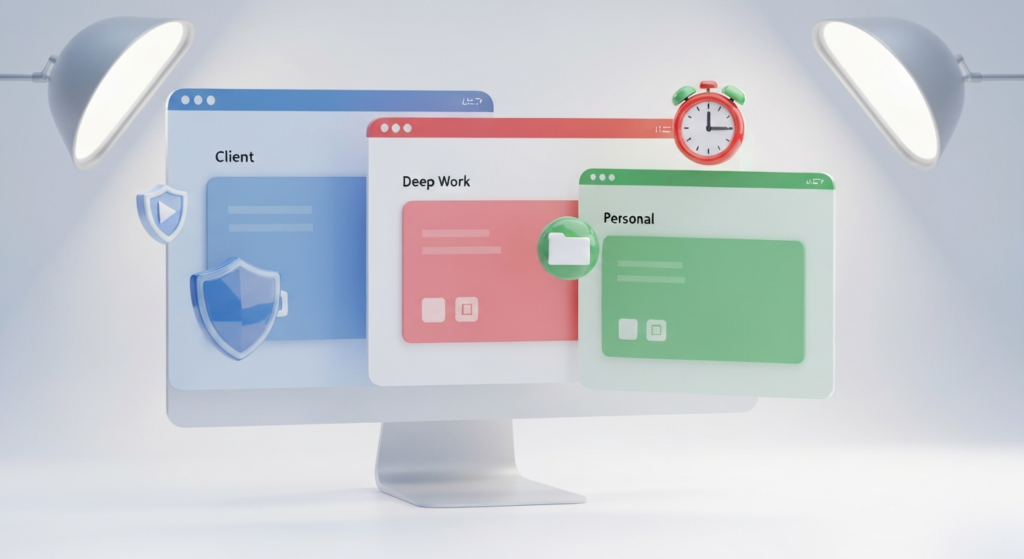
- Collect sources in a dedicated browsing session: Keep research tabs separate from personal or client work using profiles or window grouping.
- Use a clipping or annotation tool: Save useful passages, highlight key facts, and capture screenshots with context.
- Use a tab manager sparingly: Only activate this if the session gets large enough to actively slow you down.
- Review and export notes: Move findings into your actual system of record, such as Notion, a task app, or a knowledge base.
- Remove temporary tools: If an extension was only useful for one project, disable or delete it right afterward.
Security, Performance, and Maintenance Habits
The safest extension setup is a small one. Fewer tools mean fewer permissions, fewer conflicts, and fewer surprises. Review your installed extensions regularly and remove anything you no longer use.
A few daily habits make a big difference for your overall browser health:
- Use separate browser profiles for work, testing, and personal browsing.
- Avoid installing multiple extensions that do the exact same job.
- Check reviews critically and look for comments about data collection, crashes, or sudden behavior changes.
- Test new extensions one at a time so you can spot performance issues quickly.
- Revisit permissions after updates, especially if a tool suddenly asks for more access than before.
A secure Chrome extension workflow is not about collecting more tools. It is about choosing the right ones, testing them against real tasks, and maintaining a setup that stays fast and understandable. The best extensions disappear into the workflow—they save time, reduce friction, and support the way you actually work.
For professionals who live in the browser, that balance matters. A clean extension stack can improve speed, focus, and security at the same time. At EpicWebTool, we regularly explore and review browser tools for exactly this reason: the right setup makes daily work noticeably more efficient without sacrificing your control.
Frequently Asked Questions
How many Chrome extensions are too many?
There is no exact limit, but if your browser takes significantly longer to load pages, or if you have multiple extensions overlapping in functionality, you likely have too many. Stick strictly to the essentials that drive your daily tasks.
Do disabled extensions slow down Chrome?
No, disabled extensions do not consume memory or processing power in the background. If you only need a specific tool occasionally, keeping it disabled until needed is an excellent way to maintain peak browser performance.
How do I check what permissions an extension has?
You can right-click the extension icon and select Manage Extension in your browser menu. From there, you can review its site access and even restrict it to run only on specific websites or when you actively click the extension.
Are extensions that have not been updated recently safe?
Not necessarily unsafe, but they do pose a higher risk. Outdated extensions might contain unpatched security vulnerabilities or break unexpectedly when your browser updates. It is always best to rely on actively maintained tools.