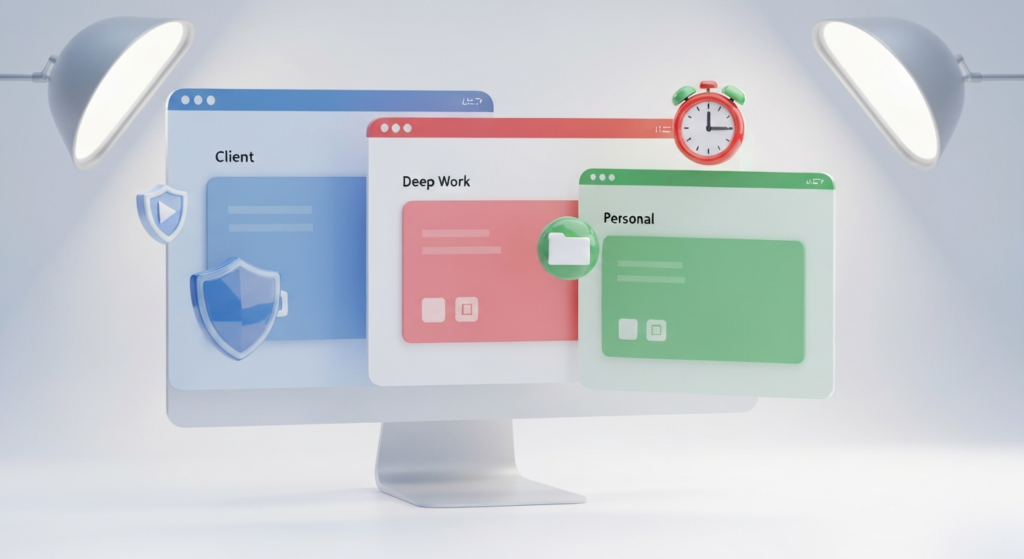
For many professionals, the browser is the workspace. Research happens in tabs, tasks live in web apps, and decisions are made from what you can gather, compare, and organize inside Chrome. That is why extensions can be so powerful: they remove friction exactly where work happens. But the same tools that save time can also add risk, clutter, and unnecessary permissions. In this guide, I’ll show a practical framework for choosing, vetting, and using Chrome extensions so you can build a stack that improves productivity without compromising security.
The Real Problem With Modern Browser Workflows
Most professionals do not suffer from a lack of tools. They suffer from too many small interruptions: copying data between tabs, losing track of sources, opening the same sites repeatedly, or handling repetitive web tasks manually. Chrome extensions are useful because they sit close to the workflow and automate tiny actions that add up over time.
The catch is that extension sprawl creates its own problems. A browser full of overlapping tools becomes slower to manage and harder to trust. If you install extensions without a system, you may end up with duplicated features, excessive permissions, or tools you stop using but never remove. A secure stack is not about having more extensions. It is about having fewer, better ones that serve clear jobs.
A Practical Framework for Choosing and Vetting Extensions
The best way to build a work stack is to assign each extension a specific role. Start with categories such as capture, research, writing, tab management, automation, and security. In each category, ask one question: what task does this tool eliminate?
| Tool Category | Core Purpose | Workflow Benefit |
|---|---|---|
| Capture | Save snippets or screenshots | Removes manual copy-pasting |
| Research | Summarize and organize sources | Keeps data structured |
| Writing | Clean formatting or expand text | Speeds up content creation |
| Tab Management | Suspend, group, or pin sessions | Reduces browser clutter |
| Automation | Automate clicks and form filling | Eliminates repetitive tasks |
Once you define the role, vet each extension before installing it. Always check the following criteria:
- Permissions: Does it need access to all sites, or only a specific domain?
- Publisher credibility: Is the developer clearly identified and maintained?
- Update history: Is the extension actively maintained?
- Reviews and install base: Are there consistent signs of real use?
- Data handling: Does it collect browsing data, and is that necessary for its function?
A useful rule: if an extension asks for broad access but only solves a narrow problem, look for a safer alternative. The smallest permission set that still works is usually the right choice.
A Real Workflow Example: Research and Writing Stack
Imagine a researcher or marketer preparing a report. The browser stack can support the whole workflow without becoming messy.
First, use a tab manager to keep the research session grouped by topic: sources, notes, competitor pages, and drafts. This prevents one long row of unmanaged tabs. Next, use a capture or annotation extension to save key passages, screenshots, or citations directly from the page. That removes the need to copy everything into a document manually.
Then add one writing-focused tool that helps with formatting or quick text expansion, especially if you repeat the same structure across reports. If you work with many sources, a link cleaner or page reader can help strip away distractions and focus on the content. Finally, use a security-minded extension for password management or phishing awareness, but keep it separate from your productivity tools.
The key is sequencing. The stack should support how you actually work: discover, capture, organize, draft, and review. If an extension does not improve one of those steps, it probably does not belong in the setup.
Best Practices and Common Mistakes
The biggest mistake is installing extensions reactively. A teammate recommends one, a post suggests another, and soon the browser is carrying tools you barely remember. Instead, review your stack every few months and remove anything that no longer has a clear purpose.
Other practical habits matter too:
- Keep sensitive work extensions limited to trusted publishers.
- Prefer tools that work well with specific sites rather than requesting universal access.
- Separate high-risk tools from core work tools when possible.
- Test new extensions in a secondary profile before using them in daily work.
- Watch for duplicate functionality. Two tab managers or two clip tools often create more friction than value.
Security is not just about malware. It is also about reducing the number of places your browser data can flow. A clean stack is easier to understand, easier to trust, and easier to maintain.
Conclusion
A secure Chrome extension stack is built on clarity, not volume. Choose tools by role, vet them by permission and maintenance quality, and integrate them into a real workflow instead of installing them in isolation. When done well, extensions become quiet infrastructure: they save time, reduce repetition, and keep your browser focused on work instead of chaos.
The right browser tools can make a noticeable difference in productivity and workflow efficiency, especially for professionals who live inside the browser. At EpicWebTool, we regularly explore and review browser tools with that practical standard in mind.
Frequently Asked Questions
How many Chrome extensions should I install for work?
There is no exact number, but less is usually more. Aim to have only the extensions that serve a specific, daily workflow purpose. For most professionals, a lean stack of 5 to 10 highly vetted extensions is ideal to minimize security risks and browser lag.
How do I check a Chrome extension’s permissions?
You can view an extension’s permissions before installing it by reading the ‘Permissions’ section in the Chrome Web Store. For installed tools, go to your browser settings, click on ‘Extensions’, and select ‘Details’ for a specific tool to see and manage its site access.
What is the biggest security risk with browser tools?
The biggest risk is granting broad permissions—like ‘read and change all your data on all websites’—to poorly maintained or unverified extensions. This can expose your private data, passwords, and browsing history to third parties if the extension is compromised.
Should I use different extensions for personal and work browsing?
Yes, separating your environments is a best practice. Use Chrome profiles to keep your work extensions and personal extensions isolated. This prevents personal data tracking tools from accessing sensitive work applications and keeps your workspace distraction-free.