This week in the Chrome extension ecosystem, the narrative has shifted from flashy product launches to a period of necessary operational updates. As the author of this digest, I see a clear signal: Google is aggressively tightening the remaining edges of the Manifest V2 era, particularly affecting content-blocking techniques. Simultaneously, AI workflow extensions are maturing, moving beyond simple chat interfaces into robust productivity tools. In this week’s digest, we analyze one standout tool, two critical updates, and the shifting trust boundaries within the browser.
Tool Spotlight and Ecosystem Updates
New Tool of the Week: HARPA AI
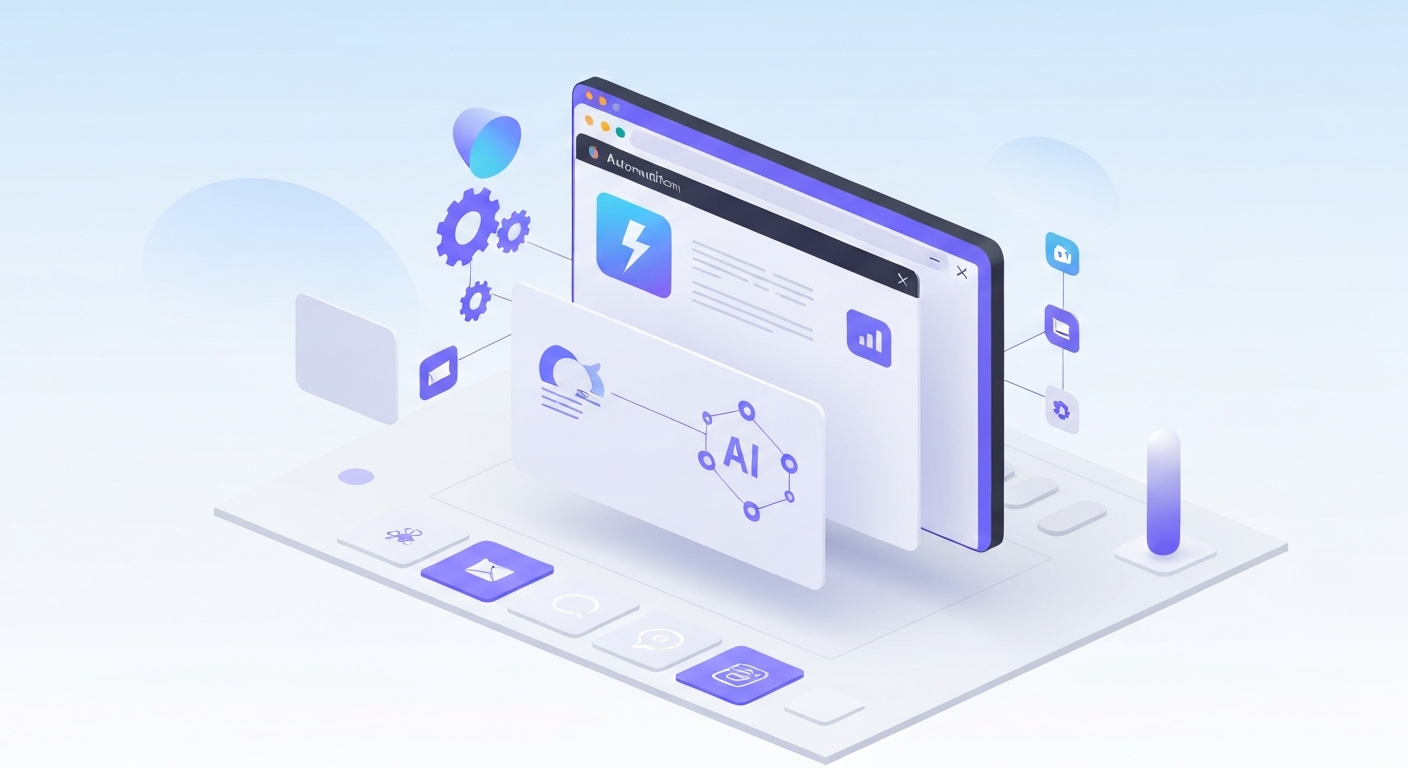
HARPA AI is currently leading the charge in browser-based automation. Rather than acting as a simple side-panel assistant, it positions itself as a web automation layer powered by ChatGPT, Claude, Gemini, and Grok. It is designed to turn repetitive browsing tasks into repeatable, model-assisted actions.
This tool is particularly relevant for marketers, founders, and developers who need to stitch together multi-step web workflows. It reflects the future of the ecosystem: a transition from simple summarization to task execution patterns—find, interpret, and apply—all within your preferred model stack.
Critical Updates: The Manifest V2 Reality Check
The deprecation of Manifest V2 (MV2) has moved from a theoretical timeline to a practical concern for professionals. Recent reports indicate that Chrome 150 and 151 are removing the last compatibility pathways for the old framework. This directly impacts users who rely on legacy content blockers or older productivity utilities that have not yet migrated to Manifest V3.
| Focus Area | Current Status | Required Action |
|---|---|---|
| Manifest V2 | Final deprecation phase | Audit and migrate tools |
| HARPA AI | New automation agent | Test for task cycles |
| Permissions | Stricter store review | Review requested scopes |
| AI Strategy | Agentic workflows | Move beyond summaries |
Trends and Security Standards
Permissions and the Trust Contract
Chrome is reinforcing the trust boundaries between extensions and user data. Recent updates to the Chrome Web Store documentation emphasize that high-risk permissions—those granting access to broad browsing data—will face higher scrutiny. Developers are being encouraged to adopt a “least privilege” design, treating permission requests as a core part of the user experience rather than a legal formality.
AI Evolution: From Assistance to Agency
The most consistent trend in the productivity sector is the rise of agent-like behavior. We are seeing a move toward workflow-level automation where extensions support multi-step tasks like competitive research, data extraction, and formatting. The better tools are now differentiating themselves through model interoperability and a transparent security posture.
Expert Commentary: Operational Maturity
From my perspective, this week represents a shift toward operational maturity. The pressure to remove Manifest V2 changes the actual toolkit available to security-conscious teams and marketers. If your workflow assumes specific network filtering outcomes, you must re-validate your stack. This is not a temporary phase; Chrome’s direction is a permanent structural change to reduce the capability surface for potential abuse.
Weekly Summary and Key Signals
To stay productive, treat your extension stack like production software. I recommend performing light audits after every major browser update. The tools that will remain viable are those that balance high-utility automation with the strict security requirements of the modern browser. AI productivity is no longer just about chat; it is about execution.
Frequently Asked Questions
What happens if my favorite extension still uses Manifest V2?
As Chrome moves toward versions 150 and 151, legacy extensions using Manifest V2 will likely be disabled or face significantly reduced functionality. You should look for Manifest V3 alternatives or check with the developer for a planned update immediately.
Why is the browser asking for more permissions for AI tools?
AI tools that perform “agentic” tasks—like filling forms or reading page data for automation—require specific permissions to interact with the DOM. Always ensure you are using reputable tools that follow the principle of least privilege.
How does HARPA AI differ from a standard GPT wrapper?
Unlike standard wrappers that only summarize text, HARPA AI focuses on web automation. It allows users to build multi-step workflows that can monitor page changes, extract data, and trigger model responses based on specific web events.