New Tools and Platform Updates
This week’s signal is clear: Chrome extensions are moving from “assistive add-ons” toward agentic workflow components. These are tools that can capture context, automate repetitive web actions, and coordinate with AI systems. However, security vigilance remains non-negotiable as enterprise browser tooling continues to expand faster than most teams’ extension governance. Lars Erik Rydberg filters these developments so professionals can adopt gains safely.
Tool of the Week: Kimi WebBridge
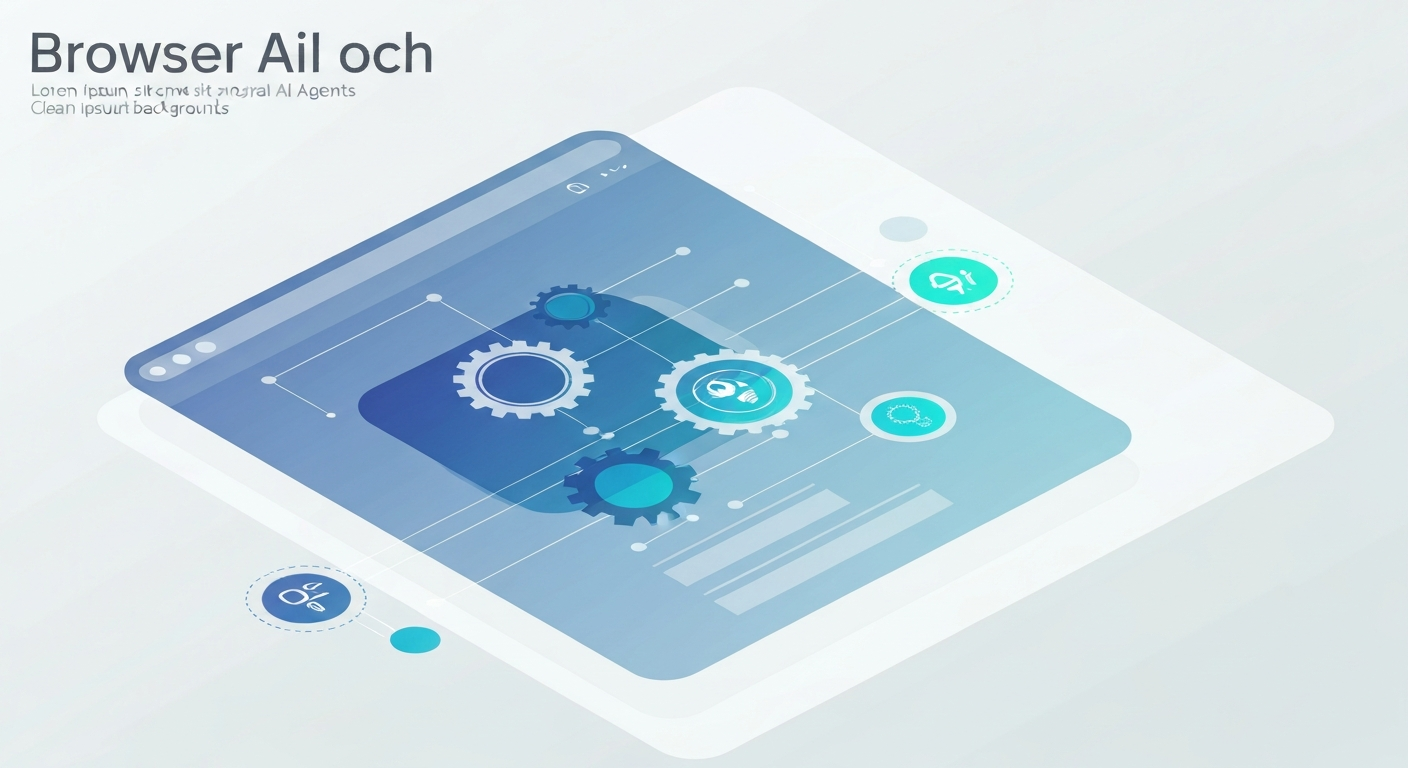
Kimi WebBridge, developed by Moonshot AI, is a Chrome extension built to allow coding and automation agents to control the browser directly. Unlike many AI tools that function via remote servers, WebBridge runs locally to enable searching, clicking, typing, and data extraction within an agent-style workflow.
Why Local Control Matters
Most AI extensions focus on summarization or side-panel assistance. WebBridge represents a shift toward browser control as a primitive. This is particularly valuable for developers running “agent in the browser” experiments or researchers who need to automate complex navigation and data extraction tasks across various web applications.
| Development | Category | Key Takeaway |
|---|---|---|
| Kimi WebBridge | AI Automation | Enables local browser control |
| Manifest V2 Sunset | Platform Update | Warning banners active June 3 |
| Web Store Security | Security Risk | Vigilance needed for updates |
| Agentic Workflows | Industry Trend | Shift from assist to execute |
The Manifest V2 Migration Deadline
Chrome’s platform messaging continues to push maintainers toward the modern architecture. Starting June 3, users on Chrome Beta, Dev, and Canary channels will see warning banners on their extension management pages. This indicates that Manifest V2 extensions will soon lose support entirely.
Impacts on Workflow Continuity
For professionals, this is a “quiet break” that can disrupt productivity. If an extension is a core part of your daily operations, its migration status should be treated as a critical business dependency rather than a minor technical update.
Future Trends and Expert Insights
The broader theme this week is the continuing reality that the extension marketplace remains a high-leverage attack surface. Recent security reports highlighted malicious clusters capable of data harvesting and unauthorized UI injection, even after landing in the official Web Store.
Rising Security Risks in the Web Store
Users must assume risk if a tool gains unexpected permissions after an update. For developers, this reinforces that extension quality is not just about code performance—it is about least-privilege design and transparent permission scopes.
Expert Commentary from Lars Erik Rydberg
The ecosystem is currently converging on two forces: automation capability and platform-driven discipline. The agent-control direction, exemplified by Kimi WebBridge, looks durable. Extensions are becoming execution bridges rather than just interfaces. I recommend treating your browser extension stack like a lightweight workflow platform: document what each extension does and instrument trust by reviewing permissions every time an update lands.
FAQ: Navigating the Extension Ecosystem
What happens if my favorite extension is still on Manifest V2?
Beginning in June, Chrome will start displaying warnings. Eventually, these extensions will be disabled. You should reach out to the developer or look for a Manifest V3-compliant alternative to avoid workflow disruptions.
Are agentic browser tools safe for enterprise use?
While powerful, they require high levels of permission to control the browser. It is best to pilot these tools on low-risk, public-facing tasks before granting them access to internal systems or sensitive financial data.
How can I stay protected from malicious extensions?
Regularly audit your installed extensions and their permissions. If an extension asks for new, unnecessary data access during an update, treat it as a potential security risk and investigate before continuing use.