Key Browser Updates and Tool Trends
This week’s signal isn’t just about the volume of new AI extensions—it’s about how AI and automation are becoming deeply embedded into the Chrome architecture itself. This shift has significant implications for third-party developers and professional users alike. We are seeing a move toward tighter, more explicit permissioning and a push for faster, “one-click” browser workflows. The takeaway for professionals: expect more efficiency, but also more scrutiny around host permissions and content security.
Gemini Skills: The New Standard for Browser AI
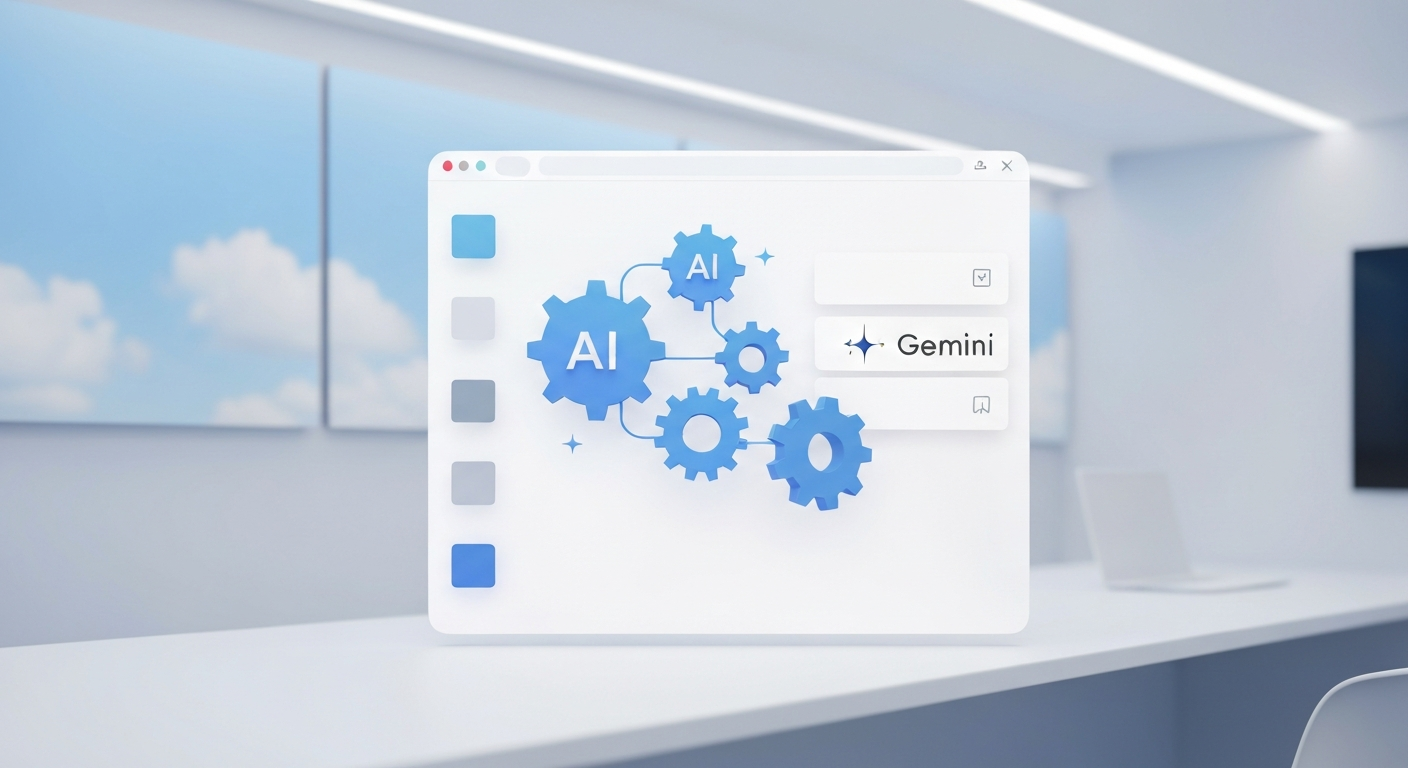
Google’s Skills feature is a significant development that turns recurring Gemini prompts into reusable, one-click actions directly within the Chrome interface. Instead of retyping instructions to summarize, compare, or extract data, you can now trigger saved workflows from the Gemini panel. This shifts AI usage from a conversational chat model toward integrated browser tooling.
For marketers, developers, and product teams, prompts are becoming digital assets—closer to macros than simple conversations. This is where real productivity gains are made: when an AI tool reduces the friction of repetitive browsing tasks.
| Update/Tool | Primary Change | Professional Impact |
|---|---|---|
| Gemini Skills | Saved prompt macros | Faster repeat research |
| Runtime Host API | Scoped site access | Enhanced user security |
| Project Mariner | Experiment retired | Ecosystem consolidation |
| Workflow Shift | Native AI integration | Less context switching |
Critical Changes in Extension Permissions
Chrome has introduced new capabilities regarding how extensions request and scope host access. This includes an API for requesting host access during runtime, ensuring that permissions are more explicit and constrained. For users, this means that extensions requiring broad site access for automation or AI summaries will now trigger more frequent permission prompts.
This change raises the bar for developers. The best tools will now need to communicate clearly why they need access and implement granular host scopes rather than relying on blanket patterns. In the long run, this makes the ecosystem more auditable and secure.
The Future of Browser Automation
Project Mariner and the Consolidation of Agents
Google recently discontinued Project Mariner, an experimental web automation effort. For those tracking “agentic browsing,” this serves as a reminder that experimental capabilities are often absorbed or reshaped into mainstream features. Automation is not disappearing; rather, the “automation surface area” is consolidating into durable product pathways like the Gemini-in-Chrome experiences.
From AI Features to Integrated Workflows
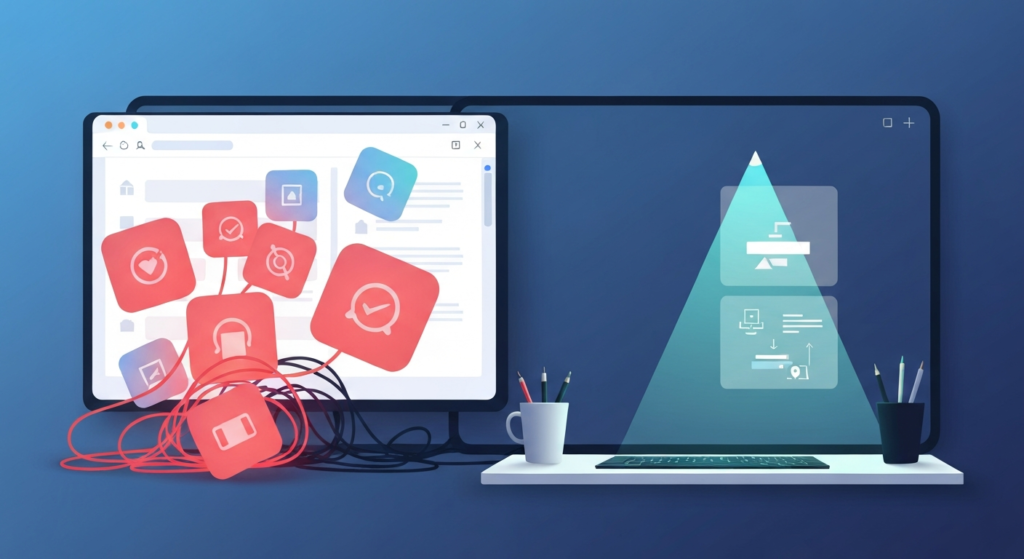
The broader industry trend is the transition from AI-as-a-feature to AI-as-a-workflow. We are seeing a rebranding of automation into repeatable browsing operations—summarizing, extracting, and generating next steps—triggered with minimal friction. Professionals should watch for tools that reduce context switching and treat AI outputs as reusable artifacts, such as templates or structured notes.
Expert Perspective: Is This a Real Shift or Hype?
From my analysis, this week represents a genuine shift in the browser ecosystem. When AI workflows are built directly into the UI, adoption no longer faces the hurdles of third-party trust. Furthermore, the tightening of security boundaries ensures that powerful extensions remain auditable. My advice to professionals is to stop chasing the newest shiny extension and instead catalog your high-frequency tasks. Look for tools—built-in or otherwise—that convert these tasks into low-friction, transparent steps.
Frequently Asked Questions
What are Gemini Skills in Chrome?
Gemini Skills allow users to save frequent AI prompts as reusable actions within the Chrome sidebar, allowing for one-click execution of tasks like summarization or data extraction.
How do the new permission changes affect my extensions?
You may see more frequent or specific requests for site access. Chrome is moving toward a model where extensions only get access to the sites they absolutely need, exactly when they need them.
Why was Project Mariner discontinued?
While experimental projects like Mariner end, their core functionality is typically integrated into the main browser experience, signaling a move toward native browser automation rather than experimental add-ons.