Chrome extensions can turn a browser from a passive window into a real work environment. For professionals who live in tabs all day, the right extensions can reduce friction, automate repetitive steps, improve research, and keep projects organized. The wrong ones can slow the browser down, collect too much data, or quietly create security risks. In this guide, I will walk through a practical framework for choosing extensions, using them in real workflows, and keeping your setup lean, secure, and useful.
Building a Productive Browser Environment
Start With Workflow Problems
The best browser setups begin with a workflow problem. Do you need faster note-taking, better tab management, cleaner research capture, or a way to move data between apps more efficiently? Extensions work best when they remove a specific point of friction.
Modern browser work often fails in predictable ways: too many tabs, constant context switching, manual copy-paste between tools, and scattered reference material. A good extension should solve one of those problems clearly. If it does not save time, reduce mistakes, or make a process easier to repeat, it probably does not deserve a place in your browser.
A practical rule: install extensions to support a workflow, not just because they look useful.
The Extension Evaluation Framework
When reviewing browser tools, it is crucial to look at four main factors: function, permissions, reliability, and privacy. A small set of well-chosen extensions is usually better than a crowded browser full of overlapping tools.
| Criteria | What to Look For | Red Flags |
|---|---|---|
| Function | Narrow, specific purpose | Overlapping or bloated features |
| Permissions | Matches the exact task | Unnecessary broad site access |
| Reliability | Recent updates & active dev | Abandoned or unmaintained code |
| Privacy | Clear local data handling | Sends data to unknown servers |
Real Workflows and Common Mistakes
Integrating Extensions into Daily Work
To get the most out of your browser, extensions must be integrated into a real workflow rather than just sitting in the toolbar.
Practical Marketing Setup
Here is a practical example for a marketer doing campaign research. Start with a search and tab organization workflow. Use one extension to save and group tabs by project. As you move through competitor pages, ad libraries, and landing pages, keep everything in one reusable workspace instead of reopening the same sources every day.
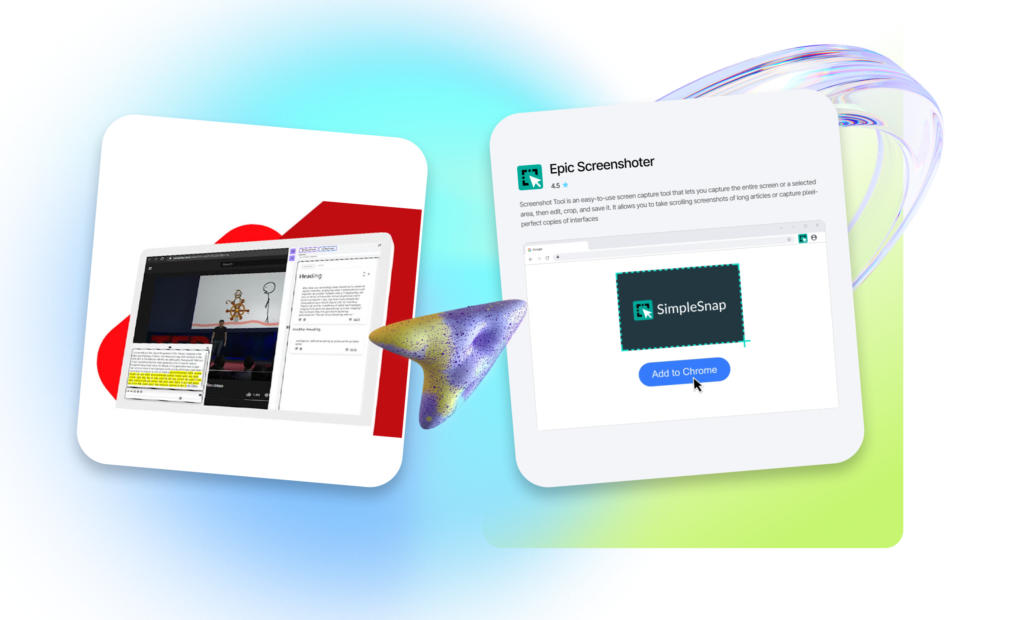
Next, add a clipping or capture tool. Save examples of headlines, layouts, offers, and calls to action directly into a research folder or note system. This is much faster than manual copying and helps you build a reference library you can actually return to later. Then use a screenshot or annotation tool when you need to share observations with a team. Capture the exact page element, mark it up, and paste it into Slack, Notion, or a project brief.
For developers, the workflow might look different: one extension for formatting or code snippets, one for temporary JSON viewing, and one for managing tabs during debugging. For researchers, the priority may be citation capture, article saving, and tab management. The point remains the same: extensions should support a repeatable process.
Avoiding Extension Overload
The biggest mistake is installing too much. Every extension adds complexity, and too many background processes can make Chrome feel heavier than it should. Review your setup monthly and remove anything you have not used recently.
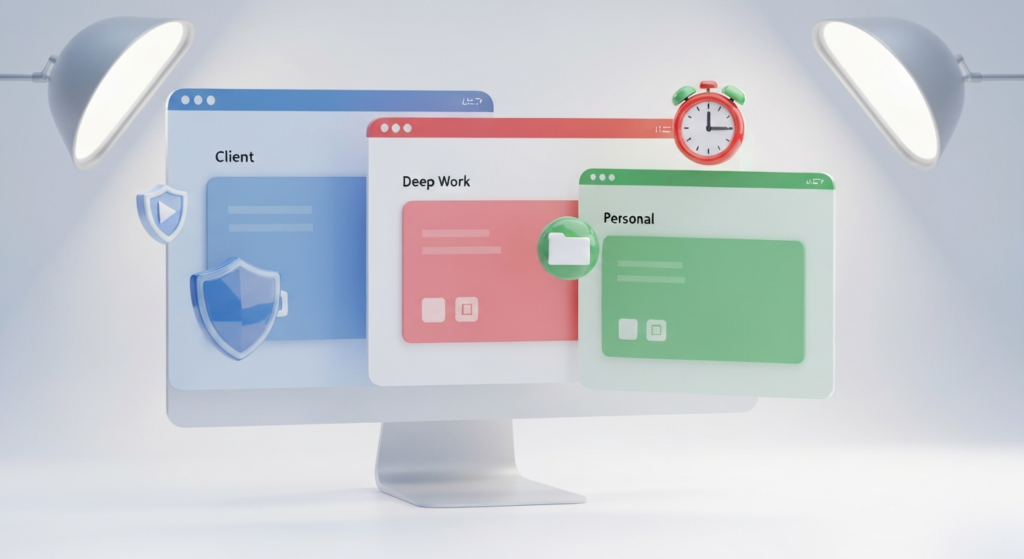
Be careful with broad permissions, especially on extensions that touch passwords, payment pages, email, or internal company tools. If a tool handles sensitive work, prefer vendors with clear documentation and a visible privacy policy. Also watch for feature overlap. Choose one strong tool per job and learn it well. Finally, separate personal and work browsing when possible. A dedicated Chrome profile or a limited extension set can reduce risk and improve focus.
Chrome extensions can be genuinely powerful for professionals, but only when they are chosen with intent. At EpicWebTool, we regularly explore and review browser tools with that practical standard in mind—aiming to improve productivity, reduce repetitive effort, and make your browser feel built for the way you actually work.
Frequently Asked Questions (FAQ)
How many Chrome extensions should I install for work?
Keep your setup minimal. Aim for a small handful of essential extensions that directly solve daily workflow problems without overlapping features. Usually, 5 to 7 well-chosen tools are plenty.
Are Chrome extensions safe for business data?
Not all of them. Always verify permissions, review privacy policies, and ensure sensitive data is processed locally rather than sent to external servers.
Why is my browser running so slowly?
Having too many active extensions creates background processes that drain memory and CPU power. Audit your extensions monthly and remove or disable unused ones.
Should I use separate extensions for personal and work browsing?
Yes. Creating a dedicated Chrome profile for work with its own limited extension set reduces privacy risks, prevents accidental data sharing, and improves daily focus.