This week in the browser ecosystem wasn’t defined by a single viral sensation. Instead, we observed a series of quiet but significant shifts: browser-native AI workflows are becoming more practical, developers are leaning into Chrome’s advanced capabilities, and the security conversation is moving from abstract theory to daily practice. For professionals working in Chrome, these changes impact time-to-insight and how we manage the risks inherent in AI-powered permissions. Here is the signal amidst the noise, curated by Lars Erik Rydberg.
New Tool Spotlight: TiAb Review Plugin
The TiAb Review Plugin stands out because it applies AI to a specific professional bottleneck: literature triage. Designed for researchers, data scientists, and product managers, this extension facilitates AI-assisted screening of titles and abstracts. By streamlining the “read, decide, sort” loop, it reduces context switching and keeps users within their existing research stack.
Why Targeted AI Matters
Unlike broad “AI for everything” tools, TiAb focuses on a single high-friction task. This targeted approach represents the maturing of the extension market, where specialized utilities solve specific workflow problems rather than offering generic chat interfaces.
| Tool / Trend | Primary Focus | Key Benefit |
|---|---|---|
| TiAb Review Plugin | Literature Screening | Faster Research Triage |
| Chrome Side Panel | Workflow UI | Reduced Tab Hopping |
| I/O 2026 Agents | Browser Automation | Multi-step Task Handling |
| AI Adoption (17%) | Extension Growth | Smarter Content Synthesis |
Chrome Ecosystem and Platform Evolution
Google’s recap of I/O 2026 reveals two critical signals for the future of the web. First, extensions are evolving into “workflow surfaces” rather than simple content scripts. Second, the developer ecosystem is rapidly integrating AI; roughly 17% of extensions submitted to the Chrome Web Store in the past year leverage artificial intelligence.
The Rise of the Agentic Web
The concept of the “agentic web” is moving from marketing jargon to developer reality. Chrome is introducing capability updates that allow extensions to handle multi-step tasks with richer context. For users, this means AI agents will act as integrated layers within the browser, necessitating a higher standard for permissions hygiene and security awareness.
Side Panel Productivity as the New Standard
Extensions utilizing the Chrome side panel are gaining significant traction. This UI choice preserves the user’s flow, allowing them to extract summaries, action items, or structured notes without leaving their active page. As this becomes the baseline for productivity tools, professionals must look for “output discipline”—ensuring these tools produce reusable data rather than just ephemeral chat text.
Expert Commentary: Lars Erik Rydberg
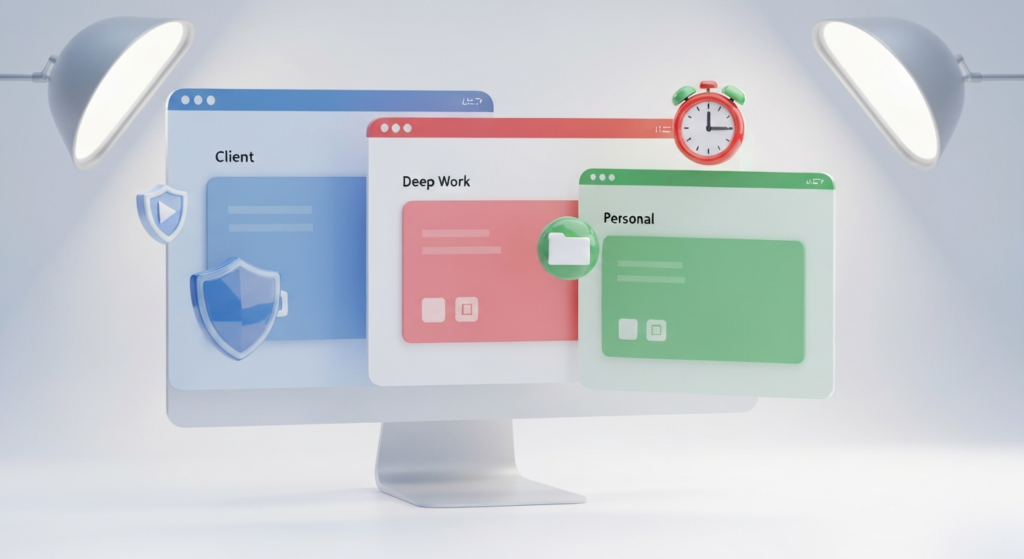
Quiet weeks often reveal the long-term trajectory of the industry. We are seeing AI extensions become truly workflow-native. My practical advice for this new era: do not confuse a polished UI with inherent trust. As extensions transition from summarizing content to performing actions, you must treat them as production dependencies. Review your permissions, use work profiles for sandboxing, and prune any tools that no longer justify their access level.
Conclusion
This week’s developments emphasize fundamentals: targeted AI assistance, the growth of the side-panel model, and the infrastructure for browser-based agents. To stay ahead, focus on tools that offer specific workflow value and maintain strict permission discipline. EpicWebTool will continue to monitor these shifts to ensure your browser tools make you faster, not just busier.
Frequently Asked Questions
Why is the Chrome side panel becoming the preferred UI for extensions?
The side panel allows users to maintain their primary browsing focus while interacting with a tool. It minimizes tab-hopping and allows for real-time data extraction and synthesis alongside the active webpage.
What should I look for when reviewing extension permissions?
Focus on “host permissions” and “scripting permissions.” Ask if the extension truly needs to read data on every site you visit or if its access can be limited to specific domains relevant to its function.
How is AI changing the Chrome Web Store?
According to recent reports, nearly one-fifth of new extensions now incorporate AI. This is leading to more tools focused on summarization, automated data entry, and intelligent research assistance.
What does “agentic web” mean for a typical user?
It refers to a browser environment where tools can perform multi-step actions on your behalf—such as finding information, processing it, and then inputting it into another app—rather than just waiting for you to trigger individual commands.