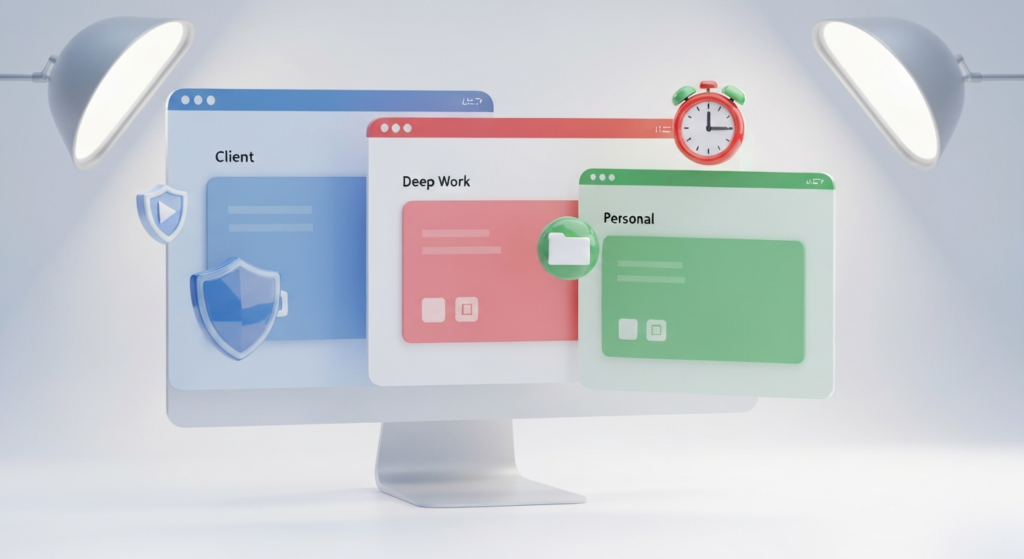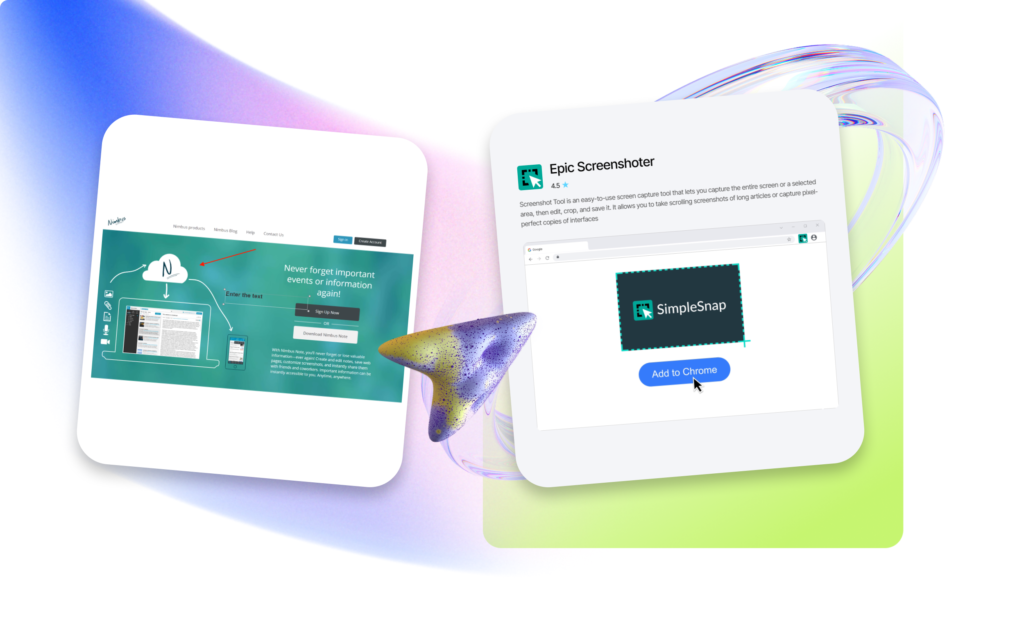
For many professionals, the browser is the workbench. Marketing teams live in tabs and dashboards, developers jump between repos and documentation, researchers collect sources, and founders manage entire operations from web apps.
Chrome extensions can make that environment faster, cleaner, and more capable — but only if they are chosen carefully. A good extension stack should reduce friction without adding clutter, risk, or maintenance overhead. In this guide, I’ll show how to pick extensions with a clear purpose, vet them for security and quality, and use them in real workflows that actually save time.
Structuring a High-Productivity Browser Workflow
1. Define the Problem Before Installing
The biggest mistake people make is installing tools before defining the workflow they want to improve. A browser extension is most valuable when it solves a repeated task: capturing notes, organizing tabs, copying data, blocking distractions, speeding up screenshots, or automating small actions.
Modern browser workflows are fragmented. You might research a topic in one tab, compare competitors in another, write in a web app, and switch to communication tools every few minutes. That constant context switching creates friction. Extensions help by removing tiny bottlenecks that compound over the day. The goal is not to install more tools — it is to build a stack that supports how you already work.
2. Vet Extensions by Function and Trust
Essential Extension Categories
A strong extension stack usually falls into a few categories:
- Productivity and organization: tab managers, session savers, link cleaners, clipboard tools, and quick note capture.
- Research and analysis: highlighter tools, page capture utilities, source-saving tools, and read-it-later extensions.
- Workflow automation: text expanders, form fillers, screenshot tools, and keyboard shortcut helpers.
- Security and privacy: password managers, tracker blockers, permission managers, and script controls.
When vetting an extension, focus on verifying trust signals and data handling practices. If an extension claims to do everything, be cautious. Focused tools are usually easier to trust, easier to replace, and less likely to create browser bloat.
| Vetting Criteria | What to Check | Why It Matters |
|---|---|---|
| Publisher Credibility | Known developer & transparent history | Reduces risk of malicious software |
| Permission Scope | Minimal site access requested | Protects sensitive account data |
| Update Frequency | Recent and regular maintenance | Ensures compatibility & security |
| User Feedback | Specific, consistent reviews | Validates real-world functionality |
3. A Practical Research Workflow
Imagine a researcher or marketer building a report on a new market segment.
First, use a tab or session manager to group sources into one workspace: competitors, industry reports, social proof, and internal docs. This prevents the “open everything and lose track” problem. Next, use a page highlighter or annotation tool to mark key claims and statistics as you read. Save those notes somewhere searchable, not just inside the extension.
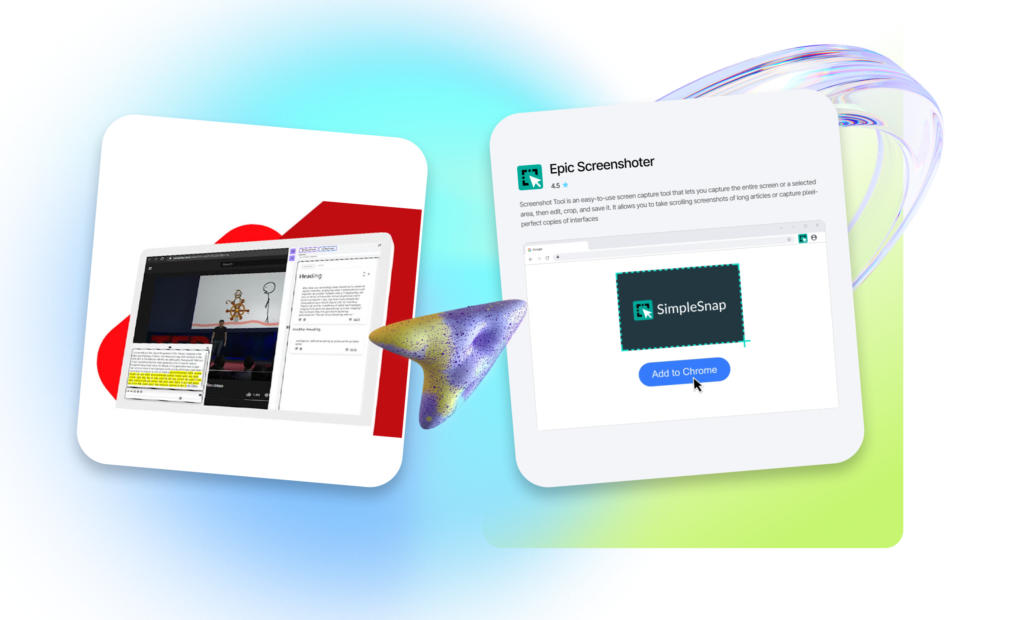
Then use a clipboard or snippet tool to store repeated elements: source citations, outreach templates, summary prompts, or standard reporting language. A screenshot or capture extension helps preserve charts and layouts that may change later. Finally, use a distraction blocker or notification silencer during deep work blocks so the browser stays focused on the task, not the noise around it.
The result is a workflow that moves from discovery to capture to synthesis without constantly changing apps. That is where browser tools deliver real productivity gains: not in flashy features, but in reducing the cost of switching between steps.
Best Practices, Maintenance, and FAQs
Risks and Extension Maintenance
The cleanest extension stack is usually the smallest one that works. Keep only tools you use weekly. If an extension solves a problem only once a month, consider whether a browser-native feature or manual process is enough.
Security matters. Avoid extensions that request access to every site unless the function truly requires it. Be careful with tools that can read page content, especially on internal dashboards, email, finance, or admin systems. Review installed extensions regularly, remove anything abandoned, and update your browser so permissions and security controls stay current.
Another common mistake is overlap. Two tab managers, two clipboards, and three screenshot tools can create confusion and performance issues. Standardize your stack: one tool per job, with a clear reason for keeping it.
Conclusion
A secure, high-productivity Chrome extension stack is built around real workflows, not app-store enthusiasm. Start by identifying repetitive browser tasks, choose focused tools with strong trust signals, and keep the stack lean enough to maintain. For professionals who spend most of their day in the browser, the right extensions can improve speed, reduce friction, and make work feel more controlled. At EpicWebTool, we regularly explore and review browser tools for exactly this reason: the best extensions do not just add features — they make your workflow sharper.
Frequently Asked Questions
How many Chrome extensions should I install?
The ideal number depends on your workflow, but keeping it under 10 to 15 essential tools helps prevent browser bloat and performance issues. Regularly remove anything you do not use weekly.
Are Chrome extensions safe to use for work?
They can be safe if properly vetted. Always check publisher credibility, avoid extensions that ask for unnecessarily broad site permissions, and follow your company’s internal IT policies.
How do I check what permissions an extension uses?
Right-click the extension icon in your browser, select “Manage extension,” and scroll to the permissions section. Here, you can review and often restrict what data and websites the tool can access.