The Shift Toward Agentic Browsing and Enhanced Security
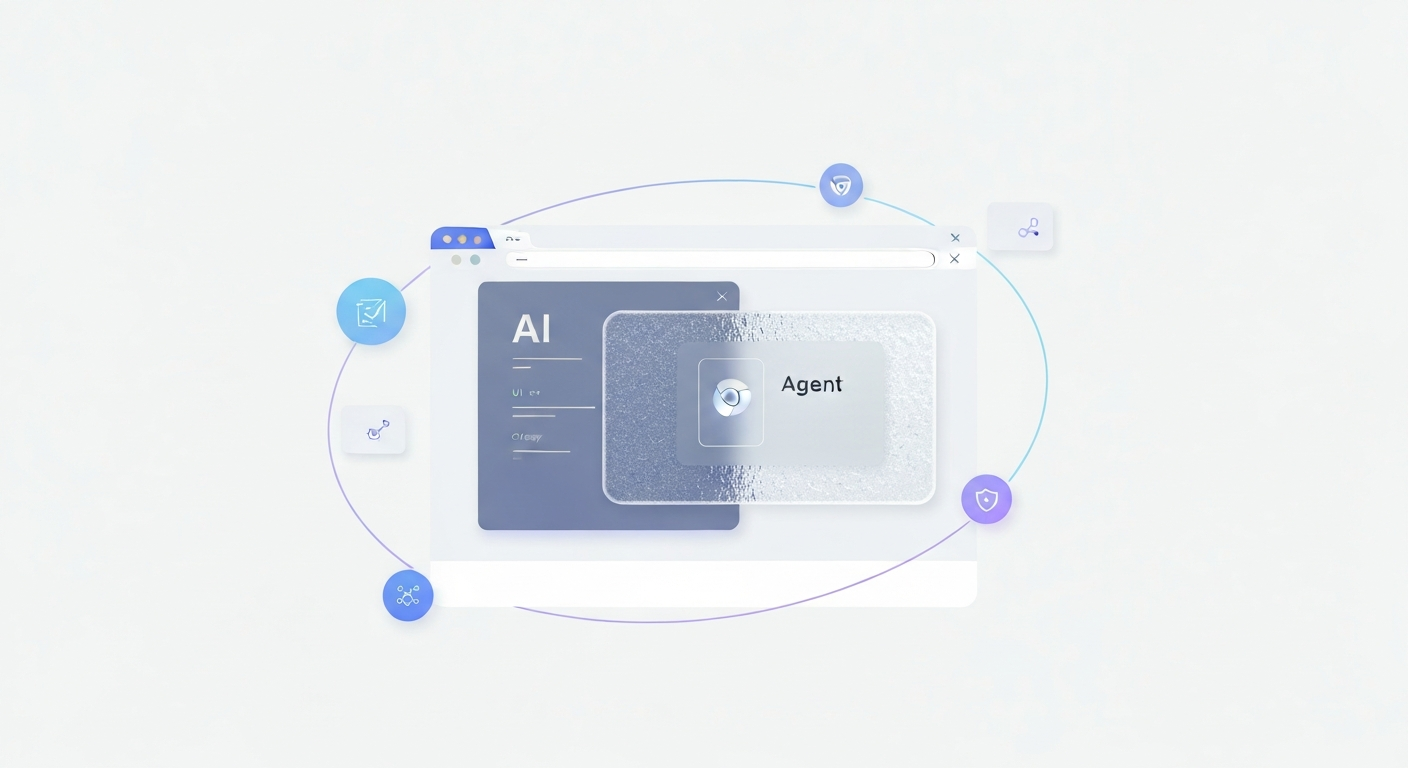
This week’s signal wasn’t just about more extensions—it was about Chrome moving closer to an agent-style, AI-assisted browser. Simultaneously, the ecosystem is tightening security expectations. For professionals, the takeaway is clear: we are transitioning from extensions that merely help to extensions that act. This shift increases productivity upside while raising permission and security risks. In this digest, I highlight a new governance tool, two critical platform updates, and what these shifts mean for your workflow.
New Tool Spotlight: BetterCloud for SaaS Governance
BetterCloud has launched a Chrome browser extension designed to give IT teams visibility into the SaaS applications and web workflows active within their organizations. While most AI tools focus on individual output, this extension targets the control plane to reduce “shadow IT” and manage SaaS sprawl.
Who should use it: IT admins in mid-market or enterprise environments and founders who lack full SaaS governance. It stands out because it provides a way to understand what tools are being used, where, and why—even as your team adopts new AI agents.
| Category | Tool/Update | Key Impact |
|---|---|---|
| New Tool | BetterCloud | SaaS sprawl visibility |
| Platform | Manifest V3 | 81.7% migration reached |
| AI Trend | Gemini Integration | Native task assistance |
| Security | AI UI Research | High-privilege access risks |
| Strategy | Project Mariner | Agent prototype discontinued |
Critical Updates: AI Integration and Security Risks
1. Chrome’s AI Co-worker Expansion
Google’s push for an “AI co-worker” within Chrome Enterprise is gaining momentum. Features now include Gemini-driven summaries and browsing assistance for workplace contexts. If you operate within the Google Workspace ecosystem, expect more browser-native automation and fewer manual steps across multi-tab workflows.
2. Security Research on AI Interfaces
A recent report highlighted a flaw where extensions could interfere with high-privilege Gemini panel behaviors, potentially accessing camera, microphone, or file data. This underscores that AI doesn’t eliminate extension risk—it can amplify it by increasing the scope of what the browser can do on your behalf.
The Evolving Chrome Ecosystem and Future Trends
Manifest V3 Migration and Policy Shifts
The transition to Manifest V3 is now well beyond the halfway point, with approximately 81.73% of extensions migrated as of May 2026. For users, this means fewer “legacy-style” background behaviors and better alignment with modern security models. For developers, the ecosystem is normalizing constraints around service worker lifecycles and Content Security Policy (CSP) enforcement.
From Sidebar AI to Agentic Workflows
AI is moving from passive assistance in a sidebar to active task execution. Chrome’s workplace direction signals a future where the browser UI is the front-end for complex actions, and extensions serve as orchestration helpers. Notably, Google’s Project Mariner agent prototype was recently discontinued, suggesting that the industry is still refining the safety boundaries for agentic browsing.
Expert Commentary: Navigating the New Productivity Stack
This week highlights two parallel tracks: productivity acceleration and security realism. Chrome is positioning itself as a task layer to reduce browsing friction, but researchers continue to show that extension risk is shifting rather than disappearing. Professionals should review permission changes closely when extensions add AI features. In 2026, productivity isn’t just about how much a tool can do—it’s about how safely it can do it.
Frequently Asked Questions
What is the current status of the Manifest V3 migration?
As of May 2026, over 81% of extensions have successfully migrated to Manifest V3. This shift ensures better performance and a tighter security model across the Chrome Web Store.
How does the BetterCloud extension help with shadow IT?
It provides IT administrators with a clear view of which SaaS applications are being used across the organization, allowing them to manage security risks and software spending more effectively.
What are “agentic browsing workflows”?
Agentic workflows refer to AI tools that don’t just provide information but can actively perform tasks across different tabs and services, essentially acting as an automated assistant within the browser.
Why did Google discontinue Project Mariner?
While specific reasons vary, the discontinuation suggests that Google is still iterating on the balance between agent reliability, feasibility, and the safety boundaries required for production-level AI agents.